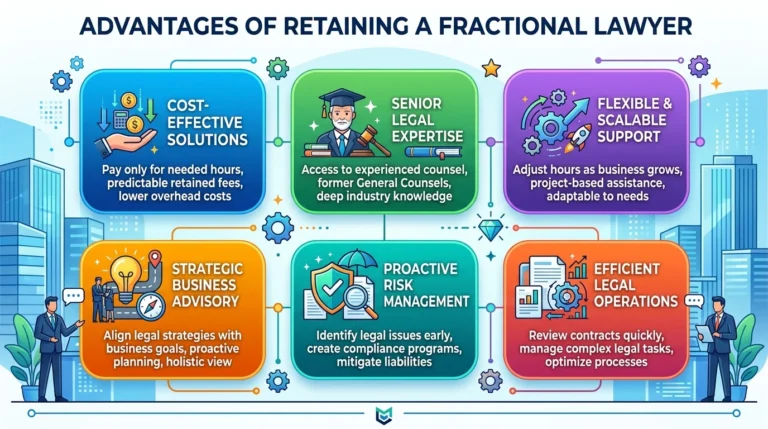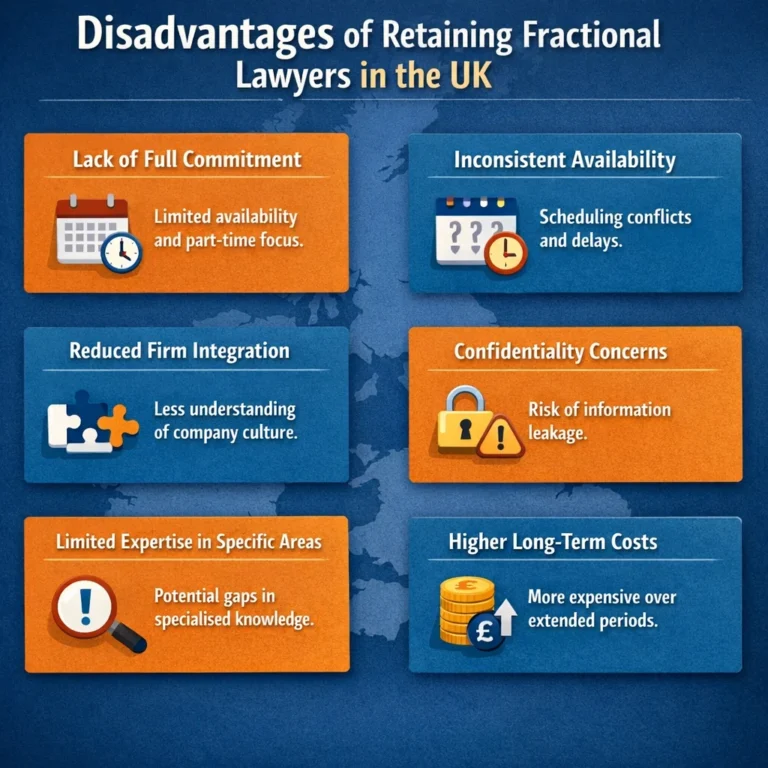



Contract and Procurement: Why a Fractional Lawyer Matters
In the UK market, commercial success is rarely just about getting a signature on a contract. It is about shaping the right structure, managing risk, preserving leverage, and making sure the deal still works when reality arrives. That is especially true where public procurement, complex supply arrangements, funding conditions, and regulatory scrutiny all meet.
This is where a fractional lawyer becomes more than extra legal support. The right lawyer acts as a deal architect: part strategist, part drafter, part negotiator, and part risk manager. They help businesses, supplier organisations, and public sector bodies turn commercial intent into a practical and compliant outcome.
In the UK context, that role has become even more valuable. The arrival of the Procurement Act 2023, the continued relevance of the Public Contracts Regulations 2015 for legacy matters, and the growing importance of subsidy control mean that many organisations need sharper, earlier, and more commercial legal advice. Not more paperwork. Better judgement.
Key Takeaways
| Commercial Focus | Procurement Focus | Strategic Legal Support |
|---|---|---|
| A strong contract is shaped at the start of the deal, not just reviewed at signature stage. | Under the Procurement Act 2023, contracting authorities and suppliers need a clear, documented and compliant procurement process. | A fractional lawyer brings senior legal advice without the cost of a full time hire. |
| In complex contract and procurement matters, early legal input improves risk allocation, pricing, governance and exit planning. | Public procurement law still requires care with legacy matters under the Public Contracts Regulations 2015 and wider regulations 2015 issues. | Experienced procurement lawyers help structure deals, support bidding, and reduce exposure to procurement disputes. |
| The right agreement should reflect operational reality, not just legal theory. | Public sector bodies, local authorities, registered providers and utility entities face different procurement risks and obligations. | A fractional solicitor can support the procurement team, leadership and delivery teams as a practical deal architect. |
| Effective drafting protects both the customer and the supplier across performance, change control and post-award management. | Robust award decisions depend on fair evaluation, clear records and alignment between tender documents and final public contracts. | Joined up advice across procurement and commercial law, subsidy control and contractual governance helps keep projects on track. |
| Commercial contracts work best when legal structure, delivery model and negotiation strategy are aligned. | In projects involving funding or regeneration, subsidy and historic state aid issues may sit alongside procurement questions. | Public procurement solicitors can help organisations make better decisions earlier, before risk becomes dispute. |
Contract and Procurement: Why a Fractional Lawyer Matters
A strong contract and procurement strategy starts long before the first draft lands in someone’s inbox.
Too often, legal support is brought in at the final stage, when the commercial model is fixed, the timetable is compressed, and positions have hardened. At that point, the solicitor is asked to tidy up issues that should have been designed out from the beginning. A fractional lawyer changes that sequence.
Instead of operating as a last step reviewer, your fractional lawyer helps shape:
- the commercial structure of the agreement
- the route to market
- the procurement process
- the risk allocation in the contract
- governance for approvals and award
- remedies, change control, and exit planning
- the evidence trail needed if a challenge later arises
This is why the phrase deal architect matters. In both private contracts and public contracts, the real value often lies in the choices made before negotiation becomes positional. A seasoned commercial solicitor can identify where a term looks acceptable on paper but creates operational friction, where a performance regime is impossible to administer, or where a pricing mechanism invites a dispute six months after go live.
For businesses selling into the public sector, this can be decisive. A fractional lawyer can support leadership teams that do not need a full time general counsel but do need senior thinking on a regular basis. They can also strengthen an existing procurement team during periods of pressure, growth, audit scrutiny, or major bidding activity.
Public Procurement Law
Any serious discussion of public procurement law in 2026 must begin with the Procurement Act 2023.
The Act has changed the landscape for many contracting authorities across the UK. It is intended to make the regime more flexible, more transparent, and easier to navigate, while still preserving fair competition and proper use of public money. For many organisations, however, the practical challenge is not understanding the headlines. It is managing the detail.
A fractional lawyer with deep procurement law experience helps clients navigate questions such as:
- which regime applies to a particular procurement
- how to structure a fair and defensible competition
- when a direct award is lawful
- what transparency notices and records are needed
- how to manage clarification, exclusion, and evaluation issues
- how to handle modification and termination risk after contract signature
At the same time, the Public Contracts Regulations 2015 and the wider regulations 2015 framework have not disappeared from relevance. Legacy procurements, older framework arrangements, and ongoing procurement disputes may still sit under the previous regime. That means many organisations are managing a mixed portfolio, with some public contracts governed by the newer Act and others still shaped by the public contracts regulations 2015.
This is one reason procurement lawyers remain in such high demand. The technical rules matter, but so does the ability to translate them into workable decisions for commercial teams, bid teams, finance leaders, and operational stakeholders.
Procurement Lawyers and the Procurement Team

The best procurement lawyers do not simply quote the legislation. They help people make decisions with confidence.
A skilled public procurement solicitor or commercial solicitor should be able to sit alongside the procurement team, board sponsors, and delivery leads and answer the questions that really matter:
- Can we run this competition in a way that is robust and proportionate?
- Are our evaluation criteria aligned with what we actually need?
- Is this bidder clarification lawful, fair, and consistent?
- Does this proposed award decision stand up to scrutiny?
- What should we record now to defend the process later?
- If we are the supplier, where is the real contractual risk and what can we live with?
That blend of legal judgement and commercial practicality is exactly why many organisations now choose fractional support. They want the insight of senior public procurement solicitors without carrying a permanent senior hire when the workload is variable.
For local authorities, NHS bodies, universities, housing organisations, and other public sector clients, this model can be especially effective during periods of transformation, shared service change, digital procurement reform, or major outsourcing projects. For private clients and sector suppliers, it can be invaluable when entering regulated markets or responding to more sophisticated public tenders.
Contracting Authorities, Registered Providers and Utility Procurement
Contracting authorities face different legal and operational pressures depending on their sector, governance model, and funding position. Local authorities often have to balance procurement compliance with political oversight, social value priorities, budget pressure, and timetable constraints. Registered providers may need to manage development pipelines, repairs programmes, and strategic partnerships, all while preserving good governance and value for money. Utility entities can face a distinct set of rules, commercial realities, and market conditions.
A fractional lawyer who understands these environments brings more than black letter law. They understand how procurement decisions are actually made and where risk tends to arise in practice.
For example:
- In regeneration projects, the line between a land arrangement, development agreement, subsidy issue, and regulated procurement can be legally sensitive.
- In infrastructure and service outsourcing, the drafting of service levels, relief events, and step in rights often determines whether the contractual model is workable.
- In framework and dynamic purchasing arrangements, the operational design of call off procedures may matter as much as the framework terms themselves.
- In utility procurement, market engagement and technical specification can be central to both competition and delivery quality.
This is where strong contract and procurement support adds genuine value. The lawyer is not simply validating paperwork. They are helping the organisation design a route that is lawful, commercially sensible, and capable of surviving scrutiny.
Contracts, Supplier Agreements and Compliant Award Decisions
Every procurement eventually comes back to the contract.
A well run competition can still produce a weak result if the final agreement does not reflect the service model, performance requirements, payment triggers, data obligations, or termination rights the client actually needs. Equally, a supplier can win an opportunity only to find that the legal terms destroy margin, restrict delivery flexibility, or create liabilities the business did not price.
That is why a fractional lawyer should be involved not only in the competition documents but also in the commercial architecture of the final deal.
Key areas where this matters include:
- translating the specification into enforceable contractual obligations
- aligning pricing schedules with performance and change control
- making sure limitations of liability are commercially rational
- drafting remedies that support performance without inviting constant dispute
- ensuring that confidentiality, information rights, and audit clauses are workable
- managing transfer provisions, IP, data protection, and exit support
- checking that the award recommendation matches the documents and evaluation record
In public procurement, the link between process and contract is especially important. An authority must be able to show that the result is compliant with the published procurement documents and the applicable procurement rules. A bidder must be able to see that the process was fair. A successful supplier must understand the obligations it is signing up to, not just the headline revenue.
This is also why experienced procurement lawyers focus hard on document discipline. If the contract terms, pricing assumptions, tender response, and evaluation notes do not line up, the organisation may face avoidable challenge risk.
Procurement, Bidding Strategy and Legal Advice for Suppliers
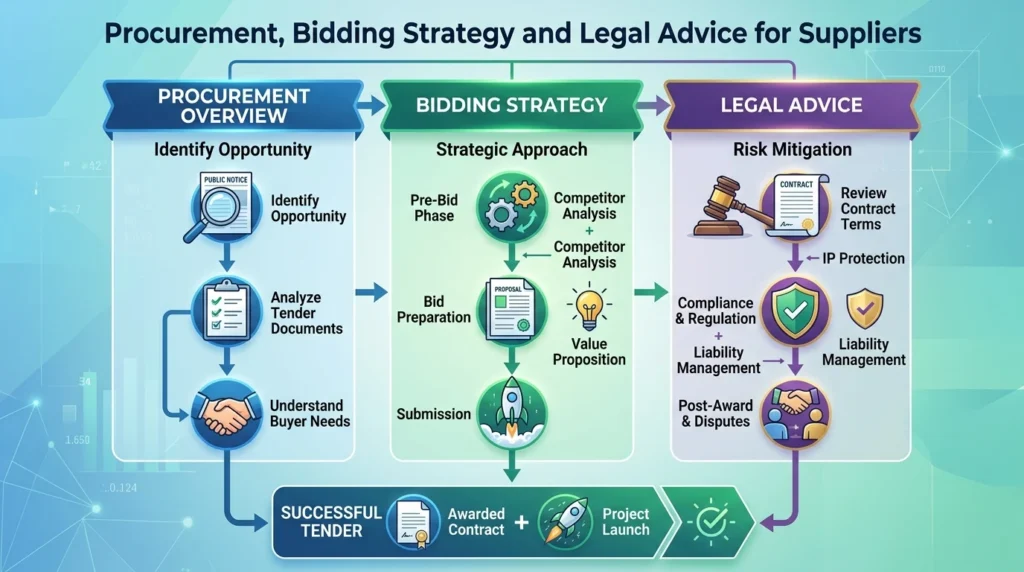
For suppliers, many of the biggest procurement mistakes happen before submission.
A strong tender response is not just persuasive writing. It is a controlled legal and commercial exercise. The right legal advice can help a supplier decide whether to bid at all, how to manage consortium or subcontracting arrangements, what clarifications to raise, and which departures from the draft contract genuinely matter.
A fractional lawyer can support bidding teams by helping them:
- analyse procurement documents for hidden risk
- assess whether evaluation criteria are sufficiently clear
- review the draft contract
- propose proportionate mark up where negotiation is allowed
- flag pricing assumptions that need express contractual protection
- identify issues that could later become procurement disputes
- prepare governance papers for bid approval
For public sector suppliers, this is often the difference between a strategic bid and an expensive gamble. A legal team that understands both procurement law and frontline commercial delivery can distinguish between points worth fighting and points better priced or managed operationally.
That matters because not every problem should be escalated into a formal challenge. Often, the best advice is tactical, early, and commercial. Ask the right clarification. Preserve the point. Protect the evidence. Bid with eyes open.
Subsidy Control and Regeneration Contracts
Modern UK deal structuring cannot ignore subsidy control.
In many public projects, especially those involving regeneration, innovation funding, energy transition, housing, place based investment, or strategic market intervention, there may be a parallel question beyond procurement: is there a subsidy, and if so, is it lawful?
That analysis can be easy to miss when teams are focused on the procurement timetable. But it matters. A funding package, land disposal, guarantee, revenue support mechanism, or favourable development arrangement can raise subsidy control issues even where the procurement route itself looks sound.
A fractional lawyer with procurement and commercial expertise can help organisations assess:
- whether a measure is likely to amount to a subsidy
- whether any exemption or safe route applies
- how the subsidy analysis interacts with the procurement structure
- what records and approvals are needed
- whether legacy state aid considerations remain relevant in a particular context
In the post Brexit environment, state aid is no longer the general domestic framework it once was, but the term still appears in older documents, funding arrangements, and cross border discussions. That means organisations often need clear advice on the distinction between historic state aid language and the current UK subsidy control regime.
For local authorities, development bodies, and registered providers, this can be particularly important. A project that is attractive from a policy perspective still needs a legally coherent structure. Done well, procurement and subsidy analysis support each other. Done badly, they create parallel risks that surface late and expensively.
Procurement Disputes, Post-award Risk and Contractual Governance
The best way to handle procurement disputes is usually to reduce the chance of them arising at all.
A fractional lawyer adds value not just at the front end of the procurement process, but in challenge readiness and post-award governance. That means asking disciplined questions throughout:
- Is the audit trail clear?
- Are evaluator comments consistent and evidenced?
- Has the authority complied with its own published process?
- Are moderation decisions documented properly?
- Does the standstill communication accurately reflect the evaluation?
- Is any contract change after signature still lawful?
For suppliers, challenge strategy also needs care. A disappointed bidder may feel strongly that the result was unfair, but effective action depends on evidence, timing, remedies, and commercial goals. Not every grievance becomes a viable claim. Not every viable claim should be issued.
This is where experienced public procurement lawyers and commercial litigators can be invaluable. They understand both the legal thresholds and the commercial consequences. Sometimes the right move is urgent pre action correspondence. Sometimes it is a focused request for information. Sometimes it is a negotiated outcome. Sometimes it is no action at all.
Equally important is what happens after signature. Many organisations underestimate post-award risk. Contract variation, poor record keeping, weak change control, and informal operating practices can undermine a deal that began perfectly well. Strong ongoing governance helps preserve compliance, value, and delivery performance.
A fractional lawyer can support that by setting up practical frameworks for:
- change control
- contract management
- issue escalation
- extension and modification review
- performance and service credit governance
- termination planning and exit readiness
That is how legal support moves from reactive to strategic.
Procurement and Commercial Law: The Real Value of the Fractional Lawyer
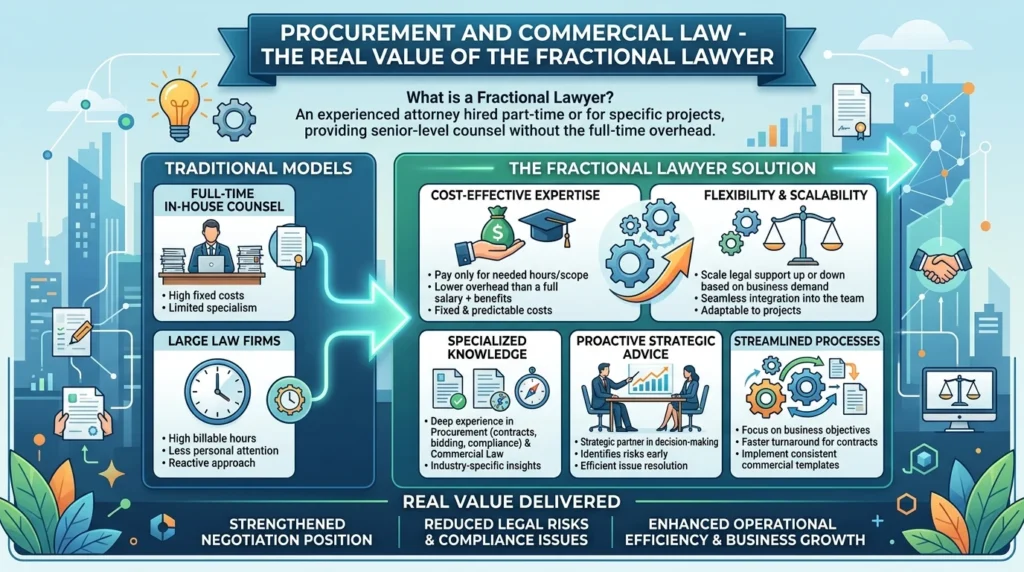
In the end, procurement and commercial law is not only about avoiding challenge. It is about making deals work.
A good lawyer does more than review clauses. They connect legal structure with operational reality. They see where a procurement strategy and a contract model reinforce each other, and where they collide. They understand that a technically elegant drafting point is of little value if it cannot be administered by the client or priced by the supplier.
The fractional model is powerful because it delivers senior judgement where it matters most:
- at the design stage of the procurement
- during negotiation of the agreement
- at the critical point of award
- in managing contract implementation
- when a dispute threatens to disrupt delivery
- where a subsidy, funding, or governance issue complicates the deal
For organisations navigating public procurement, the Procurement Act 2023, legacy regulations 2015 issues, and increasing scrutiny of public decision making, that kind of support is not a luxury. It is often the difference between a transaction that merely completes and one that actually succeeds.
Conclusion: Your Lawyer as Deal Architect
The strongest commercial and public sector outcomes are designed, not improvised.
Whether you are a contracting authority, a growth business selling to government, a supplier managing bid risk, or a leadership team handling a complex regeneration or outsourcing project, a fractional lawyer can provide the missing senior layer between legal theory and commercial execution.
That is the real promise of the model. Not just outsourced drafting. Not just occasional legal advice. But a trusted adviser who understands contract, public procurement, procurement law, subsidy control, and the realities of delivery.
In a market shaped by tighter budgets, more visible scrutiny, and more complex rules, your fractional lawyer is not simply there to check the paperwork.
They are there to architect the deal.
Ready to explore fractional legal support?Book a free 15 minute legal health check to find out whether fractional legal support could work for your business. No obligation, no jargon, just an honest conversation about your needs.